
EXERCISE LIBRARY / LOWER BODY
Barbell Deadlift
A practical guide to barbell deadlift, including setup, technique and coaching notes.
MOVEMENT OVERVIEW
Know the movement.
A practical guide to barbell deadlift, including setup, technique and coaching notes.
WATCH & PRACTISE
Follow along at your pace.
Pause to practise, replay the movement or use YouTube controls for captions and playback speed when available. The written instructions remain the reference for your exercise setup and safe range.
Loading video controls… Use the controls inside the video if needed.
Video: How to do a Barbell Deadlift · NASM
Setup
Place the bar over mid-foot and stand with feet around hip-width. Hinge down and grip just outside the legs. Bend knees until shins lightly meet the bar, bring shoulders slightly in front of it, and brace. Use blocks if the start position is too low for your current mobility.
Step-by-step technique
- Take a breath and brace your trunk in all directions. Keep arms straight like straps.
- Push the floor away and lift the bar close to the legs. Hips and shoulders should rise together.
- Stand tall by extending knees and hips. Finish upright without leaning backward.
- Pause at the top and reset grip and brace if needed.
- Push hips back first, then bend knees as the bar passes them. Lower the bar close to the legs with control.
- Let plates settle before the next repetition; do not bounce the bar.
Breathing
Inhale and brace before each lift. Maintain the brace through the initial pull, then exhale near lockout. Take a fresh breath and brace before the next repetition.
Common mistakes
- Bar drifting away from legs
- Jerking the bar off the floor
- Hips rising before the chest
- Rounding or overextending the back
- Hitching at the top
- Bouncing between reps or loading too heavily too soon
Make it easier
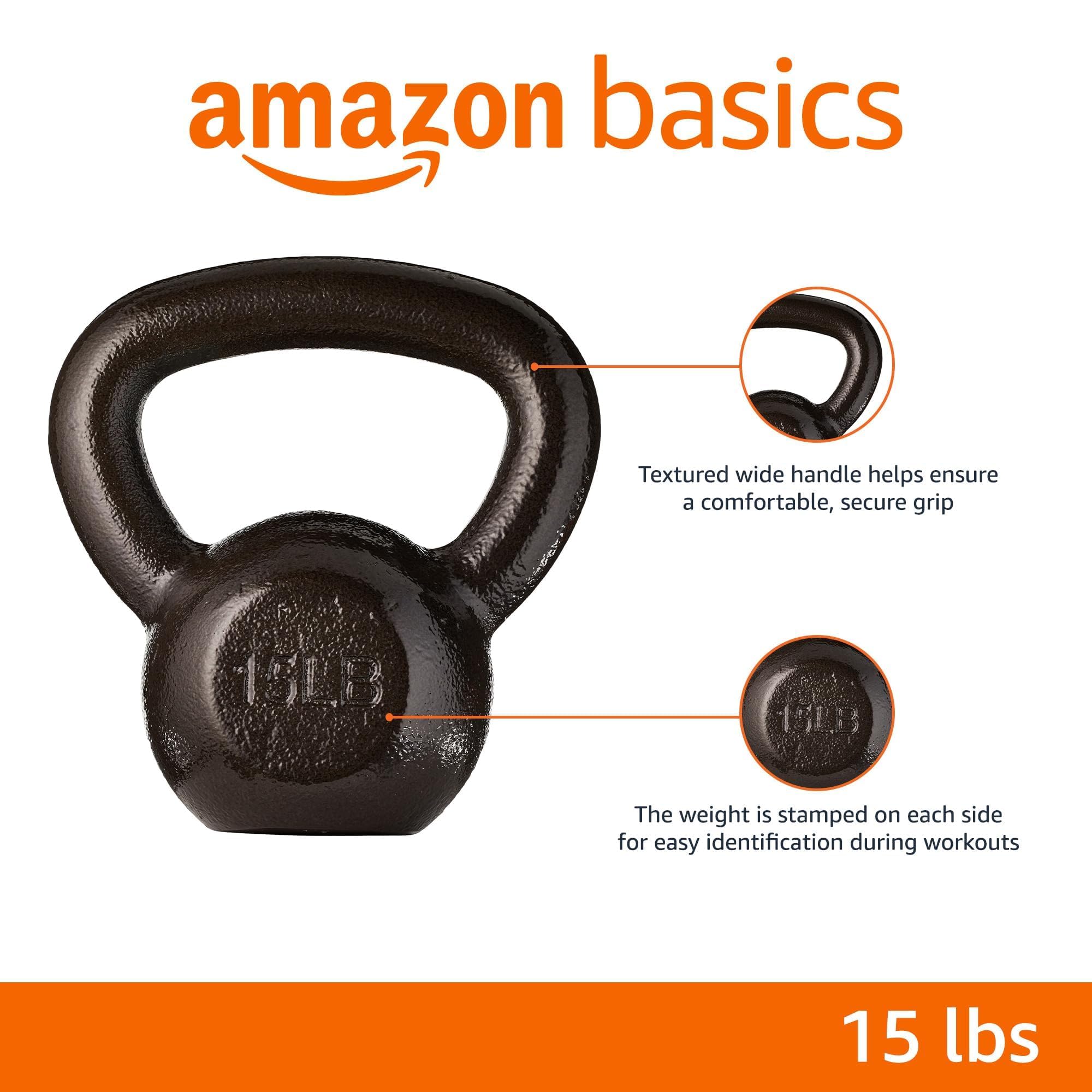
Raise the bar on blocks or use a kettlebell/dumbbell deadlift from an elevated start. Practise Romanian deadlifts or hip hinges before floor pulls.
Safety notes
Deadlifts require coaching and gradual loading. Use secure plates, clear the area, and do not test maximal loads without suitable experience and supervision. Stop for sharp pain, numbness, dizziness or unusual symptoms.
Related exercises
This guide is general exercise education, not an individualized assessment or medical advice. Choose a manageable load and comfortable range, and follow any professional restrictions that apply to you.