

EXERCISE LIBRARY / LOWER BODY
Dumbbell Goblet Squat
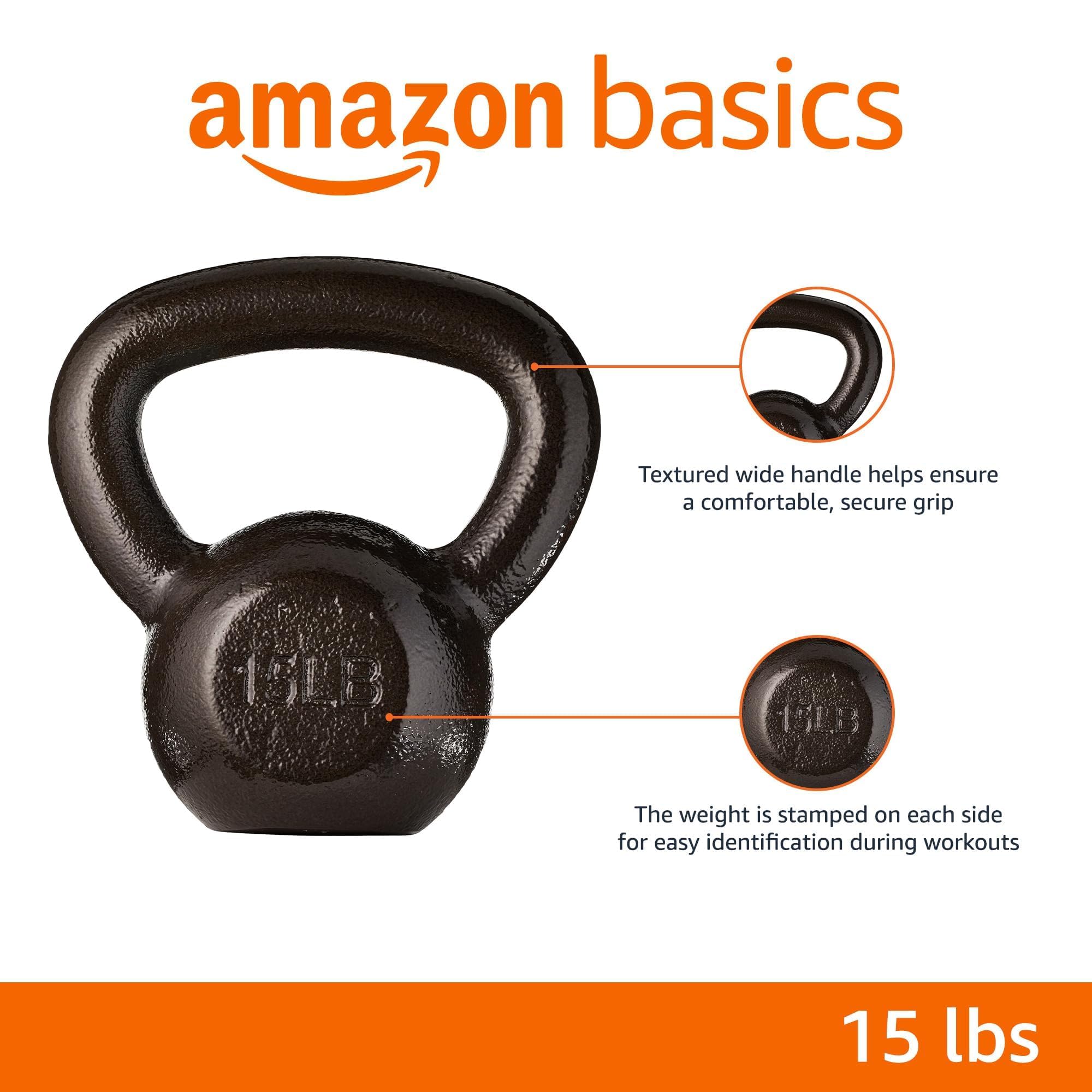
A practical guide to the dumbbell goblet squat. This guide permits either a dumbbell or kettlebell held close to the chest in a goblet position.
MOVEMENT OVERVIEW
Know the movement.
A practical guide to dumbbell goblet squat, including setup, technique and coaching notes.
WATCH & PRACTISE
Follow along at your pace.
Pause to practise, replay the movement or use YouTube controls for captions and playback speed when available. The written instructions remain the reference for your exercise setup and safe range.
Loading video controls… Use the controls inside the video if needed.
Video: Goblet Squat - OPEX Exercise Library · OPEX Fitness
Setup
Stand with feet around shoulder-width or in a stance that feels natural for your hips. For a dumbbell, hold one end with both hands and keep it close to your chest. For a kettlebell, hold the horns securely with both hands. Keep elbows angled down, wrists comfortable and the chosen weight close to your body.
Step-by-step technique
- Set feet firmly on the floor and brace your trunk gently. Look ahead with neck relaxed.
- Begin by bending hips and knees together, lowering between your legs while keeping the chosen weight close to your chest.
- Let knees track in the same direction as your toes. Keep heels grounded and pressure balanced through the whole foot.
- Lower only as far as you can stay controlled and comfortable. A chair or bench can provide a depth target.
- Press through the whole foot to stand, keeping the dumbbell close and torso steady.
- Reset at the top and repeat without bouncing.
Breathing
Inhale as you lower into the squat. Exhale as you stand. Breathe normally between repetitions and avoid prolonged breath-holding.
Common mistakes
- Letting the dumbbell drift away from the chest
- Heels lifting or weight shifting onto toes
- Knees collapsing inward
- Rushing or bouncing at the bottom
- Forcing depth beyond comfortable mobility
Make it easier
Start with a bodyweight squat to a chair, use a higher chair target, or hold a very light weight. Reduce depth until you can keep balance and control.
Safety notes
Choose a weight that does not pull your torso forward or strain your wrists. Keep the floor clear and use a stable chair if using it as a target. Stop if you feel sharp knee, hip or back pain, dizziness or unusual symptoms.
Related exercises
This guide is general exercise education, not an individualized assessment or medical advice. Choose a manageable load and comfortable range, and follow any professional restrictions that apply to you.